


NEW YORK : Museums and cultural institutions spend decades building authority, curating expertise, and earning visitor trust. Now they face a choice: let AI systems operate independently, potentially diluting that authority: or implement hybrid human-in-the-loop AI that keeps curators in control while unlocking augmented reality experiences at scale.
The difference isn't subtle. It's the difference between a museum that accidentally shares incorrect historical dates through an AI-powered AR experience, and one that maintains complete control over every piece of content visitors see when they scan a portrait, artifact, or plaque—while turning that moment of curiosity into a measurable digital channel, without installing new hardware or changing the space.
What Hybrid Human-in-the-Loop AI Actually Means
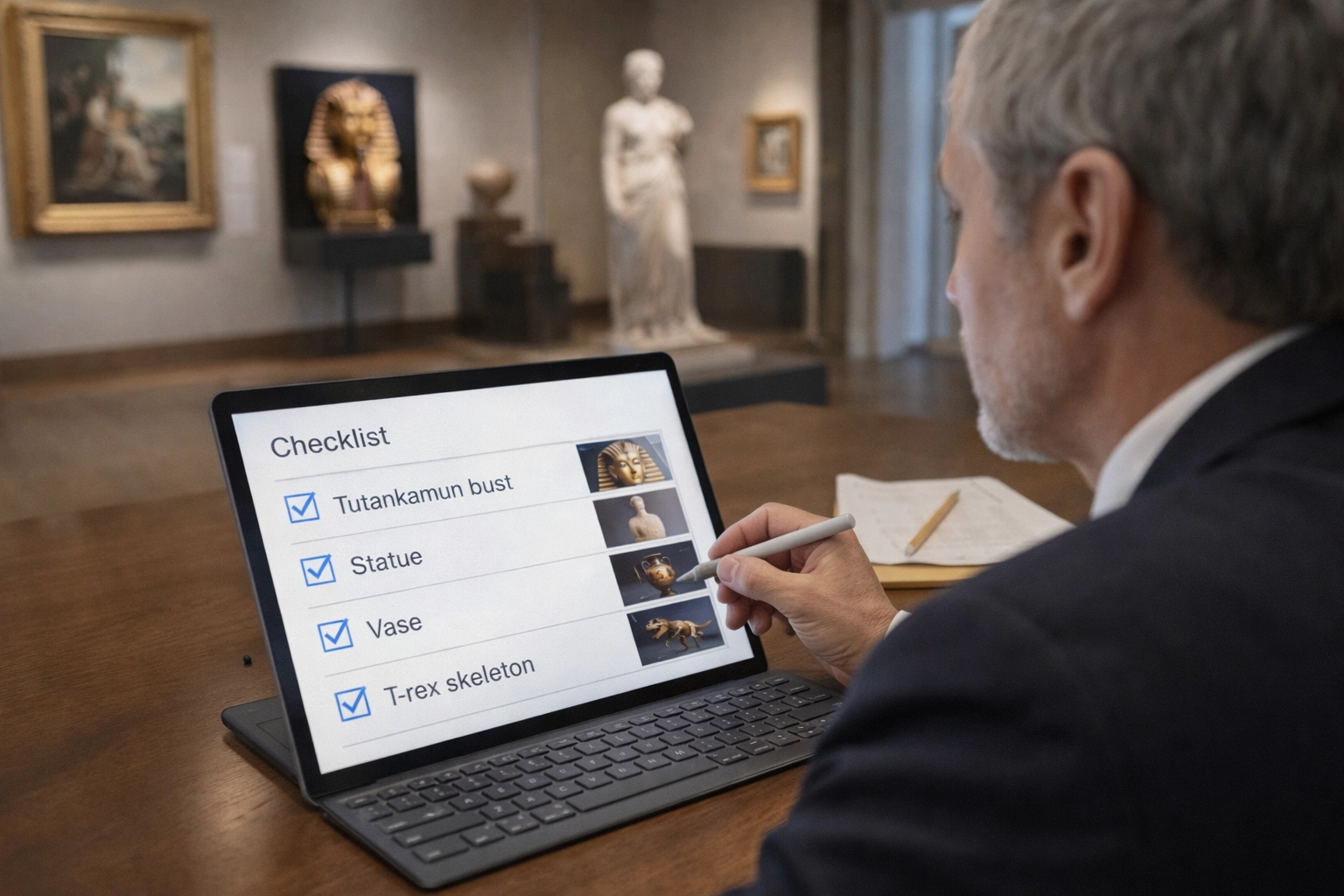
Hybrid human-in-the-loop (HITL) AI creates a continuous partnership between human expertise and machine capability. Instead of training an algorithm and letting it run wild, HITL systems keep humans in the decision-making seat: reviewing outputs, correcting mistakes, and ensuring every AI-generated experience aligns with institutional standards.
In a museum context, this means curators don't just upload content once and hope the AI gets it right. They actively shape, refine, and approve what visitors experience when they point their phones at a Civil War uniform or a Renaissance painting.
"Museums are trusted as authoritative sources," says Eric, CEO of Strax Networks. "The moment AI generates content that contradicts that authority or misses crucial cultural context, you've broken the trust relationship visitors have spent generations building with your institution."
The AR Content Control Problem
Traditional augmented reality platforms for museums operate in two problematic ways. The first: static content that never evolves, requiring expensive developer updates every time a curator wants to change a single word. The second: fully autonomous AI that generates responses in real-time without human oversight, creating a liability minefield for institutions that stake their reputation on accuracy.
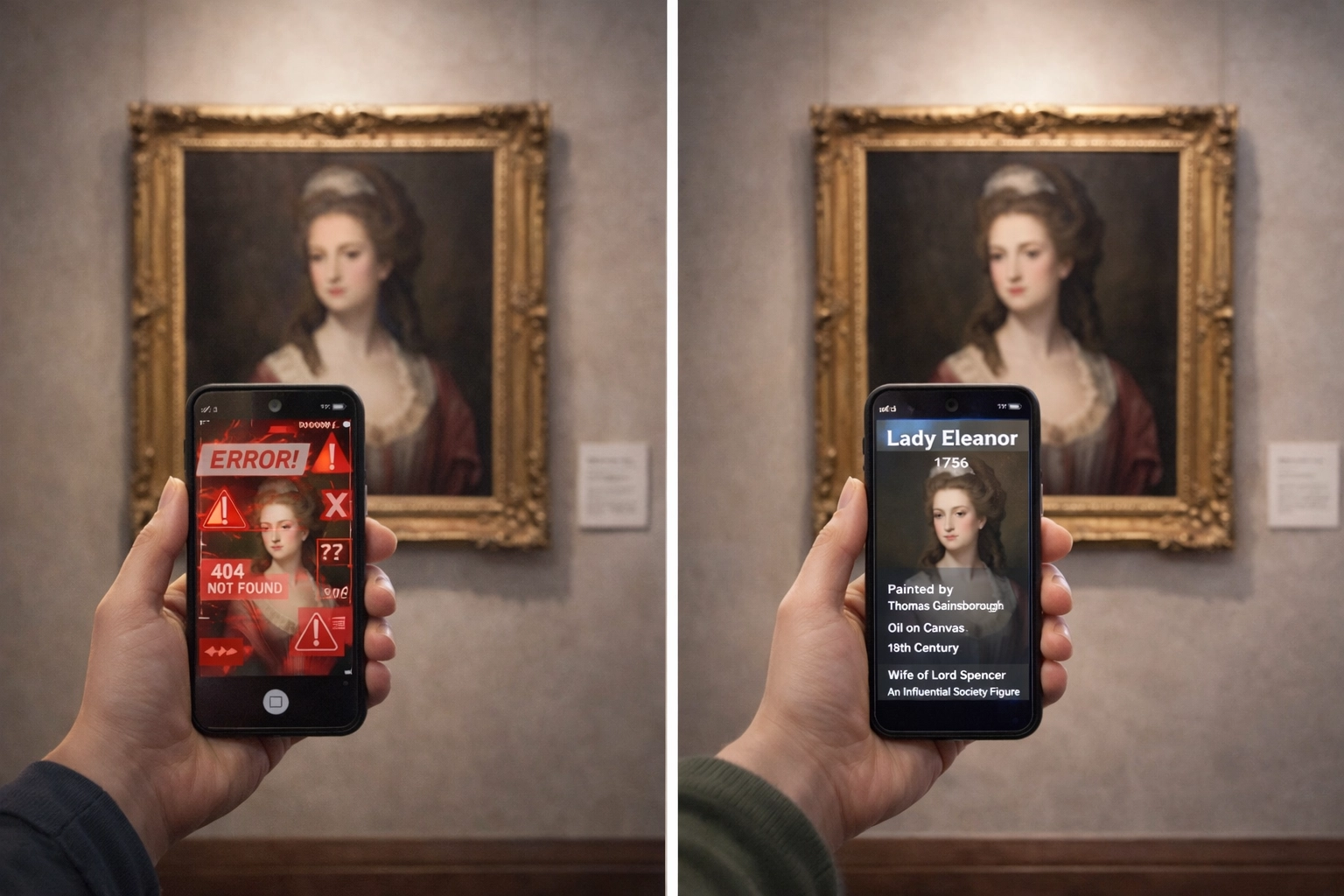
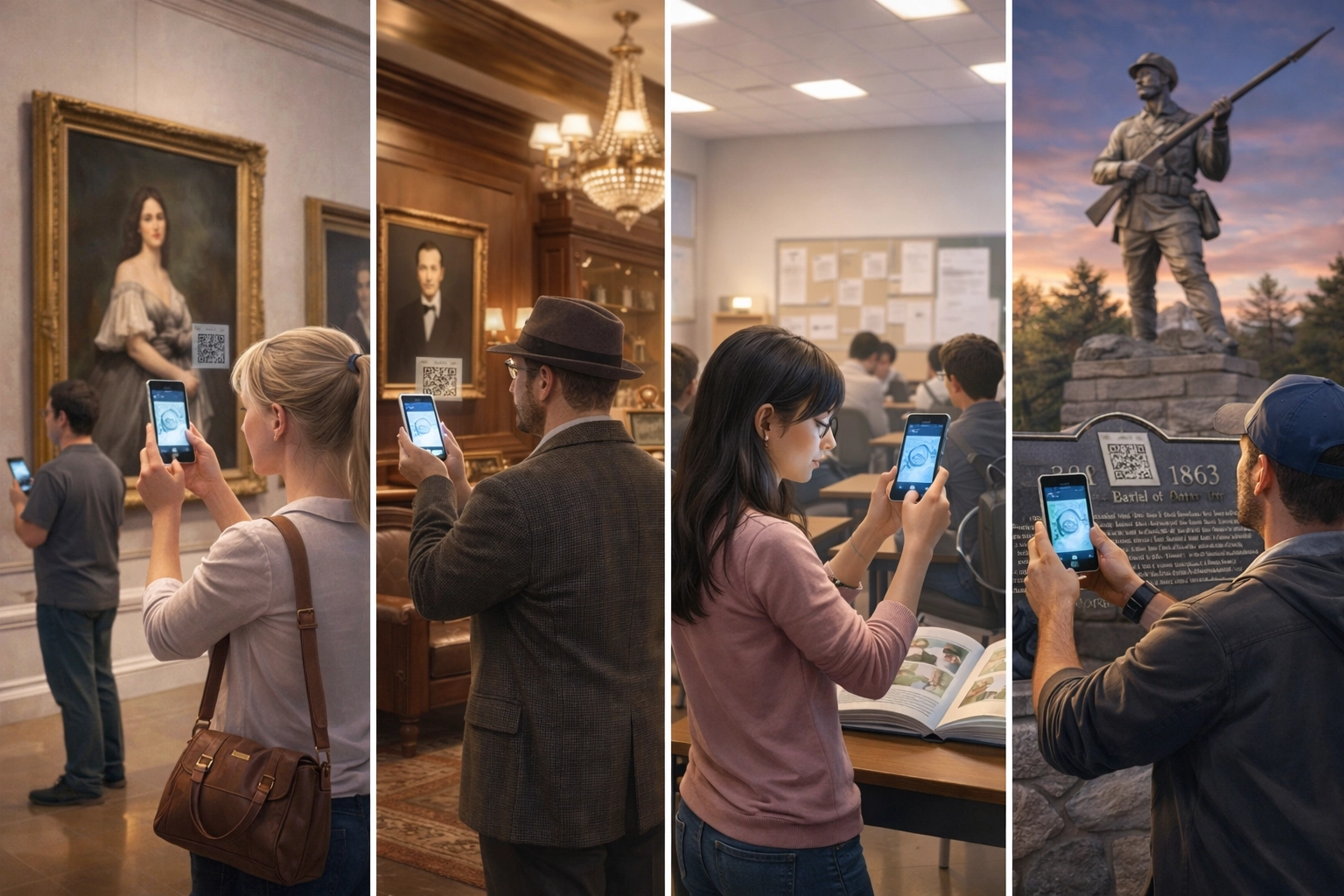
Strax Networks' patented technology solves both problems by acting as Intelligent Revenue Infrastructure—an infrastructure layer that transforms physical spaces into measurable digital channels with no new hardware and no aesthetic changes. It does this through agentic AI with hybrid human-in-the-loop oversight built into every step. When a visitor scans an object: a portrait in a historic hotel, a plaque in a museum gallery, a yearbook photo in a school: the AI recognizes what they're looking at and delivers contextual content. But that content doesn't come from an unsupervised algorithm making decisions in a black box.
How Strax Networks Keeps Curators in Control
Here's how the hybrid human-in-the-loop process works at Strax Networks:
Object Recognition: A visitor scans a museum object using their phone. Strax's computer vision technology identifies what they're scanning: a specific painting, artifact, or historical marker.
AI Content Assembly: The agentic AI pulls relevant information, images, videos, and interactive elements based on what the object is and what the museum has approved for that item.
Curator Approval Gateway: Before any content goes live, museum staff review, edit, and approve it. They can adjust tone, add context, correct errors, or enhance storytelling elements.
Ongoing Refinement: As museums learn what resonates with visitors, curators update content in real-time without touching code or waiting for developer cycles.
Brand Voice Consistency: Every piece of content maintains the museum's established voice, values, and educational standards because humans set those parameters.
This approach delivers the efficiency of AI: instant content delivery, personalized experiences, multilingual support: without sacrificing the curatorial expertise that makes museums essential to their communities.
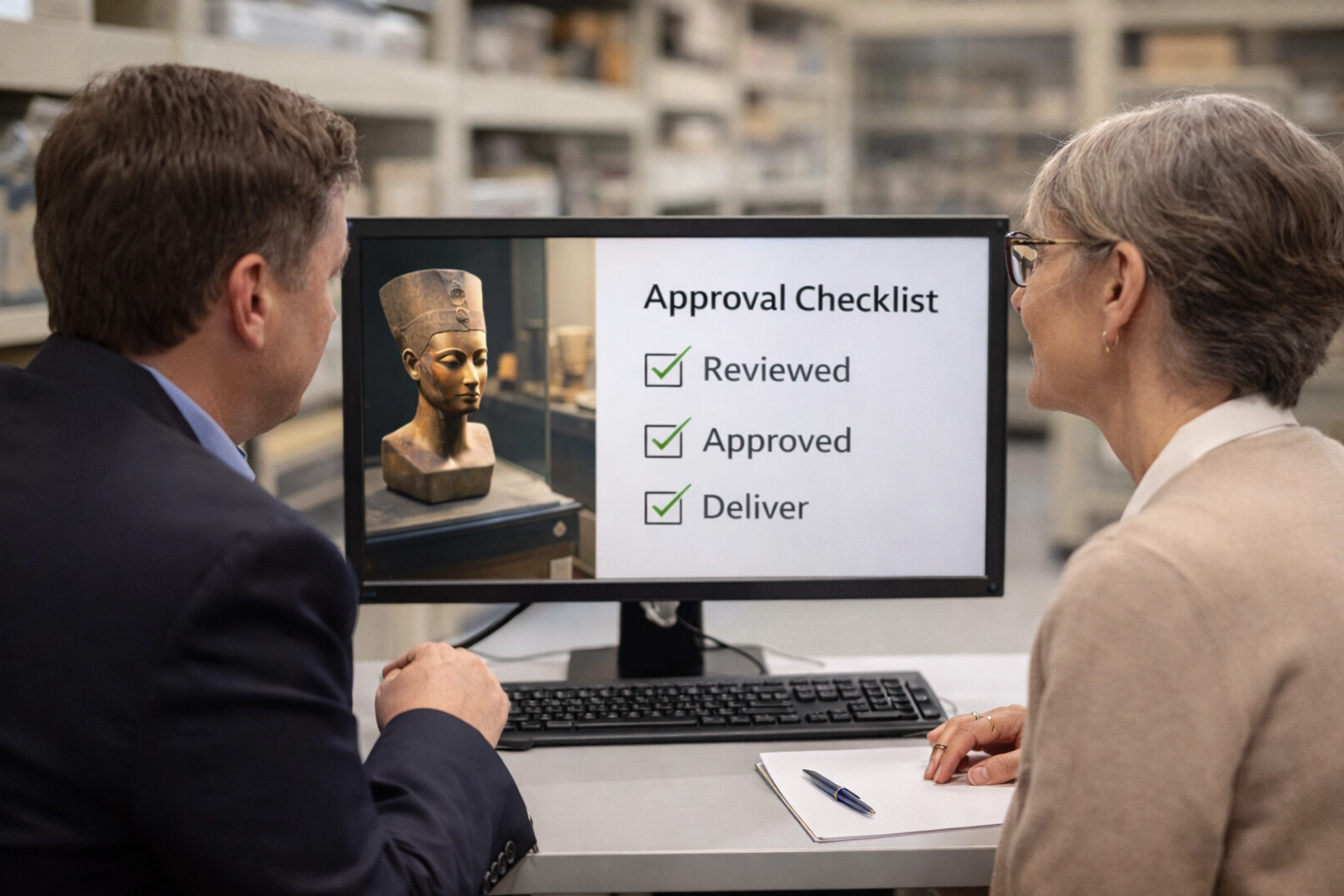
"We're not replacing curators with algorithms," Eric explains. "We're giving them superpowers. A single curator can now create and manage AR experiences for hundreds of objects, updating content as new research emerges or visitor feedback comes in, all while maintaining complete control over accuracy and presentation."
Why Autonomous AI Fails Museums
Fully autonomous AI systems create three critical problems for cultural institutions:
Accuracy Risk: AI models trained on internet data inherit internet-level accuracy: which means they sometimes confidently present incorrect information. A museum can't afford to tell visitors the wrong date for a historical event or misattribute an artwork.
Brand Voice Dilution: Every museum has a distinct voice and educational philosophy. Generic AI responses flatten that voice into algorithmic mediocrity, making the Smithsonian sound like a small-town historical society.
Accountability Gaps: When AI makes a mistake, who's responsible? With human-in-the-loop systems, the answer is clear: the curator who reviewed and approved that content. With autonomous systems, accountability disappears into algorithmic complexity.
Museums exist because human judgment, expertise, and cultural knowledge matter. Hybrid human-in-the-loop AI amplifies that expertise rather than replacing it.
Real Applications Across Cultural Institutions
Strax Networks' HITL approach already transforms how visitors experience cultural spaces:
Museums: Curators create layered AR experiences where scanning a single painting delivers artist biography, historical context, technique analysis, and related artworks: all reviewed and approved before visitors see it. Updates happen in minutes, not months.
Historic Hotels: Properties like those in the Historic Hotels of America® partnership turn portraits, architectural features, and historical plaques into interactive storytelling moments. Hotel staff control exactly what guests learn when they scan a founder's portrait or a century-old fireplace.
Educational Institutions: Schools using Strax technology: like Frank Conwell Middle School's AR yearbook: let teachers approve student content before it becomes part of the AR experience, maintaining educational standards while giving students creative freedom.
Historic Sites: Battlefield guides, historic homes, and heritage sites use hybrid human-in-the-loop AR to ensure historical accuracy while creating immersive experiences that bring the past to life.
The Technology Behind Curator Control
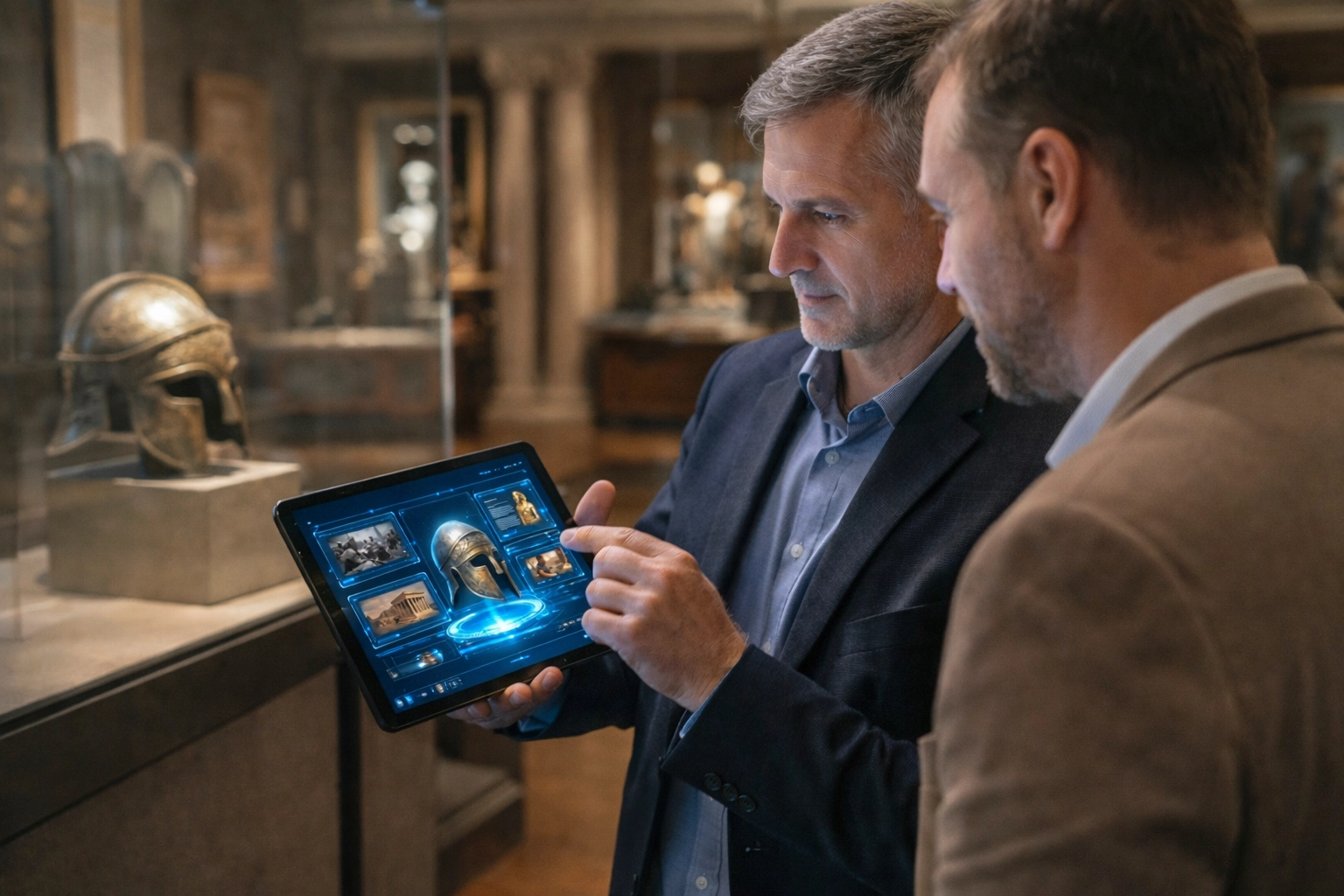
Strax Networks' patented system combines computer vision, agentic AI, and an intuitive content management interface that gives non-technical staff complete control. Museums don't need developers on staff or coding knowledge to create sophisticated AR experiences.
The platform recognizes objects through advanced image recognition: no QR codes, no markers, just point and scan. When someone scans a portrait, the AI knows which portrait they're looking at and pulls the specific content curators have approved for that object—turning every scan into a direct, measurable digital channel for engagement, insight, and on-demand moments that can support revenue.
Curators work through a dashboard that feels more like editing a blog post than programming software. They upload content, set parameters for what the AI can access, review AI-generated suggestions, and approve everything before it reaches visitors. Updates push live immediately.
This approach creates what museums actually need: the scalability and efficiency of AI with the authority and accuracy of human expertise.
What's Next for Museum AI
Hybrid human-in-the-loop AI represents the sustainable path forward for cultural institutions adopting new technology. It acknowledges what museums have always known: context matters, accuracy matters, and institutional authority isn't something you outsource to an algorithm.
As AI capabilities expand, the need for human oversight grows rather than shrinks. Museums that implement HITL systems now position themselves to adopt future AI advances: better translation, more sophisticated personalization, deeper analytics: while maintaining the curator-controlled foundation that protects their institutional authority.
"Technology should amplify human expertise, not replace it," Eric notes. "Museums that embrace hybrid human-in-the-loop AI deliver better visitor experiences, protect their institutional reputation, and free their staff to focus on what humans do best: storytelling, education, and cultural interpretation."
The choice for museums isn't between AI and human expertise. It's between AI that works for curators and AI that works instead of them. Hybrid human-in-the-loop systems keep cultural institutions in control while unlocking the immersive, personalized experiences visitors increasingly expect.
About Strax Networks
Strax Networks is Intelligent Revenue Infrastructure—an infrastructure layer that transforms physical spaces, objects, and images into measurable digital channels without new hardware or physical modifications. Using patented computer vision and agentic AI with hybrid human-in-the-loop oversight, Strax delivers on-demand AR experiences that drive engagement, data intelligence, and direct commerce across museums, educational institutions, hospitality properties, and cultural organizations. Learn more at straxnetworks.com.


